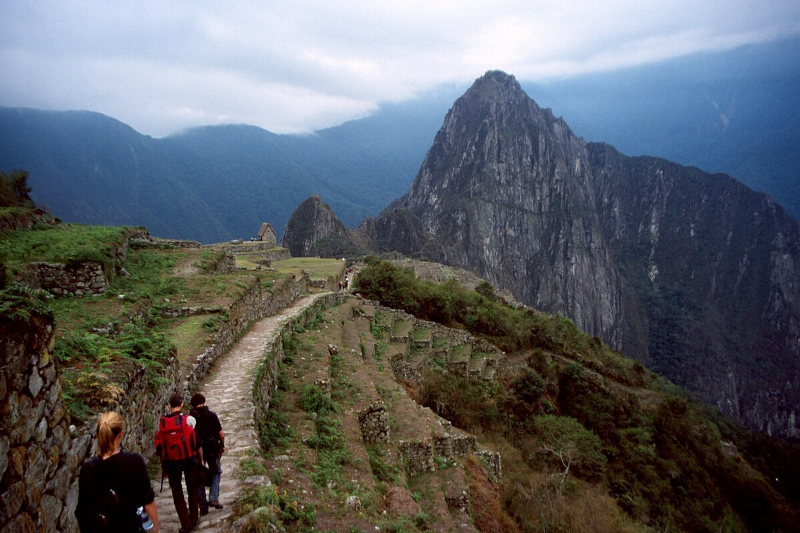
Choosing between the Salkantay Trek and the Inca Trail is a decision many travelers face when planning their adventure to Machu Picchu . Both trails offer spectacular views, a rich cultural history, and an unforgettable experience of Peru’s Andean region. However, each route has its own unique characteristics that may influence your choice.
By choosing between these two routes, you’re selecting two profoundly different yet equally enriching experiences. Your choice will not only affect your itinerary but also how you connect with Peru’s history and nature. Each trail offers a unique perspective on the Inca world and the region’s natural wonders, including Cusco and the Sacred Valley , so understanding which aspects are most important to you is crucial.
This article will break down the key differences between the Salkantay Trek and the Inca Trail, helping you decide which one best suits your interests and expectations. We’ll explore aspects such as the flora and fauna, archaeological sites, and unique cultural experiences each trail offers. We aim to provide you with a comprehensive guide so you can make an informed decision and fully enjoy your adventure in Peru.
Every traveler has their own preferences and expectations. Consider what kind of experience you want: do you prefer a physical challenge and close contact with nature, or are you more interested in immersing yourself in the history and culture of the Incas? Reflecting on your personal interests will help you make a choice that enriches your trip.
The Salkantay Trek is known for its breathtakingly diverse landscapes. It begins high in the snow-capped mountains and descends into the lush rainforest. This trail is less traveled than the Inca Trail, providing a more intimate and connected experience with nature.
The route takes you through a variety of ecosystems, from the heights of the Andes to the lowland rainforests. Along the way, you’ll see towering glaciers, verdant valleys, and cloud forests, each with its own unique flora and fauna. This diversity not only offers spectacular views but also a complete sensory experience, where each day’s hike is different from the last.
The lower number of hikers on the Salkantay Trek allows for a more personal and peaceful experience. The solitude of the mountains and the silence of nature provide a sense of isolation and peace that is hard to find on more popular routes. This intimacy offers you the opportunity to reflect and connect more deeply with the natural environment.
Unlike the Inca Trail, the Salkantay Trek doesn’t require special permits, offering greater flexibility in trip planning. You can set your own pace and make your own stops, tailoring the trek to your personal needs and preferences. This flexibility is ideal for those seeking a more spontaneous adventure.
Throughout the Salkantay Trek, travelers have the opportunity to observe a rich variety of flora and fauna. From orchids to birds like the Andean cock-of-the-rock, and alpacas grazing in the Andean landscapes, the natural environment is a delight for nature lovers.
The biodiversity on the Salkantay Trek is astounding. You can find everything from high-altitude plants like the Puya raimondii to tropical orchids in the lower valleys. The vegetation changes dramatically as you descend, offering a botanical spectacle that is a feast for the senses and a learning opportunity for those interested in botany.
The Salkantay Trek is a paradise for birdwatchers and wildlife enthusiasts. Along the trail, it’s possible to spot unique species such as the Andean cock-of-the-rock, llamas, and vicuñas. The presence of these animals in their natural habitat adds an extra level of excitement and connection with nature.
The trek takes you through a variety of ecosystems, each with its own microclimate and endemic species. From high-altitude tundras to cloud forests, each part of the trek is a world unto itself. This constant change in landscape keeps the trek interesting and stimulating from beginning to end.
One of the highlights of the Salkantay Trek is Tour Humantay Lagoon. This turquoise lagoon, surrounded by snow-capped mountains, is a must-see. The hike to the lagoon offers breathtaking views and a unique sense of serenity.
Humantay Lagoon is a natural spectacle that captivates with its turquoise waters and mountainous surroundings. Visiting it is a mystical experience that combines natural beauty with the tranquility of the place. The reflection of the mountains in the lagoon offers an unforgettable view that is a photographer’s dream.
Along the trek, you’ll find several viewpoints offering breathtaking panoramic vistas. From these vantage points, you can contemplate the majesty of the Andes and the diverse landscape that unfolds below. These vistas provide the perfect setting to rest and absorb the magnificence of your surroundings.
Many travelers describe their experience on the Salkantay Trek as spiritual. The combination of pristine wilderness, silence, and isolation allows for profound personal reflection. This spiritual connection is an intangible yet significant aspect of the journey, leaving a lasting impression on the souls of those who walk this trail.
The Inca Trail is one of the world’s most famous trekking routes, renowned for its historical and cultural significance. This trail was used by the Incas to connect various parts of their empire. Hiking this trail, whether the classic 4-day trek or the 2-day Inca Trail , is to walk through the very history of the Andes.
The Inca Trail was built by the Inca Empire as a network of roads connecting its vast territory. These paths were essential for trade, communication, and the administration of the empire. Walking this trail is to follow in the footsteps of an ancient civilization that left an indelible mark on the history of South America.
This trail is not just a trekking route, but a journey through time. As you trek, you immerse yourself in the rich history of the Incas, learning about their culture, beliefs, and way of life. Every step on the Inca Trail is a direct connection to the past, making this a truly unique experience.
The Inca Trail is recognized worldwide not only for its beauty but also for its historical significance. This recognition has led to its inclusion on the bucket lists of travelers from all over the world, making it a pilgrimage destination for those interested in history and culture.
Along the Inca Trail, hikers can explore ancient Inca ruins, such as the Temple of the Moon. These sites offer a fascinating glimpse into the Incas’ architectural skills and worldview.
The Inca Trail is dotted with ancient ruins that tell the story of an advanced civilization. From the Temple of the Moon to Wiñay Wayna, each archaeological site offers a detailed glimpse into the architectural prowess and religious beliefs of the Incas. These ruins are living testaments to a glorious past.
Inca architecture is renowned for its precision and adaptation to the natural environment. The structures are built with perfectly fitted stones that have withstood the test of time and the elements. Exploring these buildings offers a chance to admire the innovation and ingenuity of the Incas.
The Incas had a rich and complex worldview, reflected in their buildings and the layout of their ceremonial sites. The astronomical alignment of some temples, such as the Temple of the Sun, reveals their profound understanding of the cosmos. This connection to the universe is a fascinating aspect to explore as you walk along the trail.
The Inca Trail culminates at the majestic citadel of Machu Picchu. One of the advantages of this route is arriving at dawn, allowing travelers to experience the magic of Huayna Picchu and Machu Picchu in the first light of day. Many also take the opportunity to continue on to Aguas Calientes , where they can relax after the trek and enjoy the hot springs.
Arriving at Machu Picchu at dawn is an indescribable experience. The golden sunlight illuminating the citadel creates a breathtaking visual spectacle, the perfect climax to the journey. This magical moment is a reward for the effort made during the trek.
Once at Camino Inca Corto Machu Picchu, you can explore its numerous temples, terraces, and plazas. Every corner of the citadel tells a story, from the Sacred Plaza to the Intihuatana , the famous sundial. Exploring Machu Picchu is an educational and emotional experience that leaves a lasting impression.
For the more adventurous, the climb to Huayna Picchu offers an unparalleled panoramic view of Machu Picchu. Although it’s a challenging hike, the views from the summit are well worth the effort. From there, you can appreciate the magnitude of the Inca civilization and the incredible location of the citadel.
The Salkantay Trek vs. the Inca Trail presents clear differences: the Salkantay Trek is generally longer and more physically demanding, requiring good physical condition and acclimatization to the altitude. In contrast, the Inca Trail, while also challenging, is shorter and has a more historical and cultural focus.
The Salkantay Trek challenges hikers with its altitude and duration. The trek crosses high mountain passes, so good stamina and prior acclimatization are essential to prevent altitude sickness . During the trek, many travelers use coca leaves or coca tea , a traditional practice that helps alleviate the effects of altitude. This trek is ideal for those seeking a physical challenge and prepared to face varied weather conditions.
While the Salkantay Trek can last from five to seven days, the Inca Trail is generally completed in four days. This difference in duration can be a deciding factor for those with limited time or who prefer a more compact experience.
Both routes present unique challenges. The Salkantay Trek offers a more intense physical challenge, while the Inca Trail demands mental fortitude to fully appreciate its historical richness. Choosing between these challenges depends on your personal preferences and what you hope to achieve with your adventure.
The Inca Trail requires a permit that must be booked in advance due to daily visitor limits. In contrast, the Salkantay Trek does not have these restrictions, making it a more flexible option for spontaneous travelers.
Permits for the Inca Trail are limited and must be booked months in advance. This restriction ensures the preservation of the trail, but it also means you must plan your trip well in advance. This need for advance planning can be a drawback for those who prefer spontaneity.
The lack of restrictions on the Salkantay Trek offers greater flexibility in terms of planning. You can decide on your trip at short notice, which is ideal for those seeking a less structured adventure. This flexibility also allows you to adjust the itinerary to suit your personal needs.
Both treks require logistical preparation, but the Inca Trail, with its permit system, can be more complex. Consider your personal preferences and tolerance for detailed planning when choosing between the two routes. Ease of access is an important factor that may influence your final decision.
Both routes offer opportunities for cultural immersion, but in different ways. The Inca Trail is more focused on Inca history, while the Salkantay Trek allows for a deeper connection with biodiversity and contemporary Andean communities.
The Inca Trail offers a complete immersion in the history and culture of the Incas. Every step of the trail is steeped in historical significance, and the ancient ruins provide a tangible connection to the past. This experience is ideal for those fascinated by history and ancient civilizations.
The Salkantay Trek allows for an intimate connection with nature and local communities. Interacting with biodiversity and the natural environment is an essential part of the trek. This connection with the present and contemporary Andean life complements the cultural experience in a unique way.
During the Salkantay Trek, you can interact with Andean communities and experience their way of life. This interaction provides an authentic glimpse into their culture and current traditions, enriching your experience and understanding of the region.
Both the Salkantay Trek and the Inca Trail are exceptional routes to Machu Picchu, each with its own unique charm and challenges. If you’re looking for a more adventurous experience closer to nature, the Salkantay Trek might be the ideal choice. However, if your primary interest lies in the rich history and culture of the Incas, the Inca Trail might be a better fit.
Ultimately, the choice between the Salkantay Trek and the Inca Trail will depend on your personal preferences and the type of experience you want on your trip to Peru. Reflect on what you value most: is it outdoor adventure or connecting with the Inca past? Your choice will reflect your personal interests and passions.
Consider factors such as difficulty level, duration, permit requirements, and your personal interests when making your decision. Research and consult with experts or experienced travelers to gain a broader perspective. This preparation will help you make an informed decision and ensure your experience is as enriching as you hope.
Whichever route you choose, both promise an unforgettable journey through one of the most magical places in the world. Prepare to be dazzled by the natural and historical wonders of Peru. Your adventure to Machu Picchu will be a transformative experience you’ll remember forever.
No dudes en contactarnos en cualquier momento. Nuestro equipo de expertos siempre está listo para asistirte.
+51 949 904 393
info@cuscoaventura.com